Affiliate Disclosure: If you make a purchase through a link, I may earn a wee commission at no additional cost to you. I promise I’ll use that $ to keep this blog running and to spend it on some delicious Peruvian chilcanos. Cheers!
Welcome To Lima, A City For Food Lovers
Lima is the kind of city where the first bite tells you everything. A citrusy ceviche at a five-seat counter in Surquillo, a smoky anticucho pulled from a coal cart in Barranco, a 20-course tasting menu that reads like a love letter to the Andes. It's messy, layered, unapologetic, and utterly unforgettable.
I came to Lima expecting to eat well. I did not expect to fall in love. This city is the undisputed gastronomic capital of Latin America, home to two of the World's 50 Best Restaurants (Maido and Central), and a food scene that layers indigenous Andean roots with Spanish, African, Chinese, and Japanese influences in ways nowhere else on the planet does.
.jpeg)
Whether you're a solo traveller with a modest budget, a digital nomad settling in for a month, or a foodie flying in specifically for a bucket-list tasting menu, this Lima food guide covers what to eat, where to eat it, and the drinks and food tours you absolutely cannot skip.
A Quick Note On Portion Sizes
Peruvians eat generously. Portions in Lima are consistently larger than what I'd expected, especially at mid-budget and criollo spots. One main dish is often enough for two people, particularly at places like Isolina or Panchita.
Pro tip: order fewer plates than you think, or come very hungry. You'll thank me.
What's So Special About Peruvian Cuisine?
Peruvian food is the culinary equivalent of a story told across five continents. The base is Andean: the potatoes, corn, quinoa, and countless native tubers Peru's indigenous people have cultivated for thousands of years. On top of that sit centuries of migration. Spanish colonisers brought beef, rice, and citrus. Enslaved Africans introduced offal cookery that became anticuchos. Chinese labourers arrived in the 1800s and created chifa. Japanese immigrants in the early 1900s gave birth to nikkei.
What makes Lima special is that all of this collides in one city. You can eat a $3 lunch of arroz con pollo at a menú del día spot in the morning and a $300 tasting menu at Central by night, and both will feel authentically, unmistakably Peruvian. It's the only place I've been where every dish tastes like a small history lesson.
What Is Nikkei Cuisine?
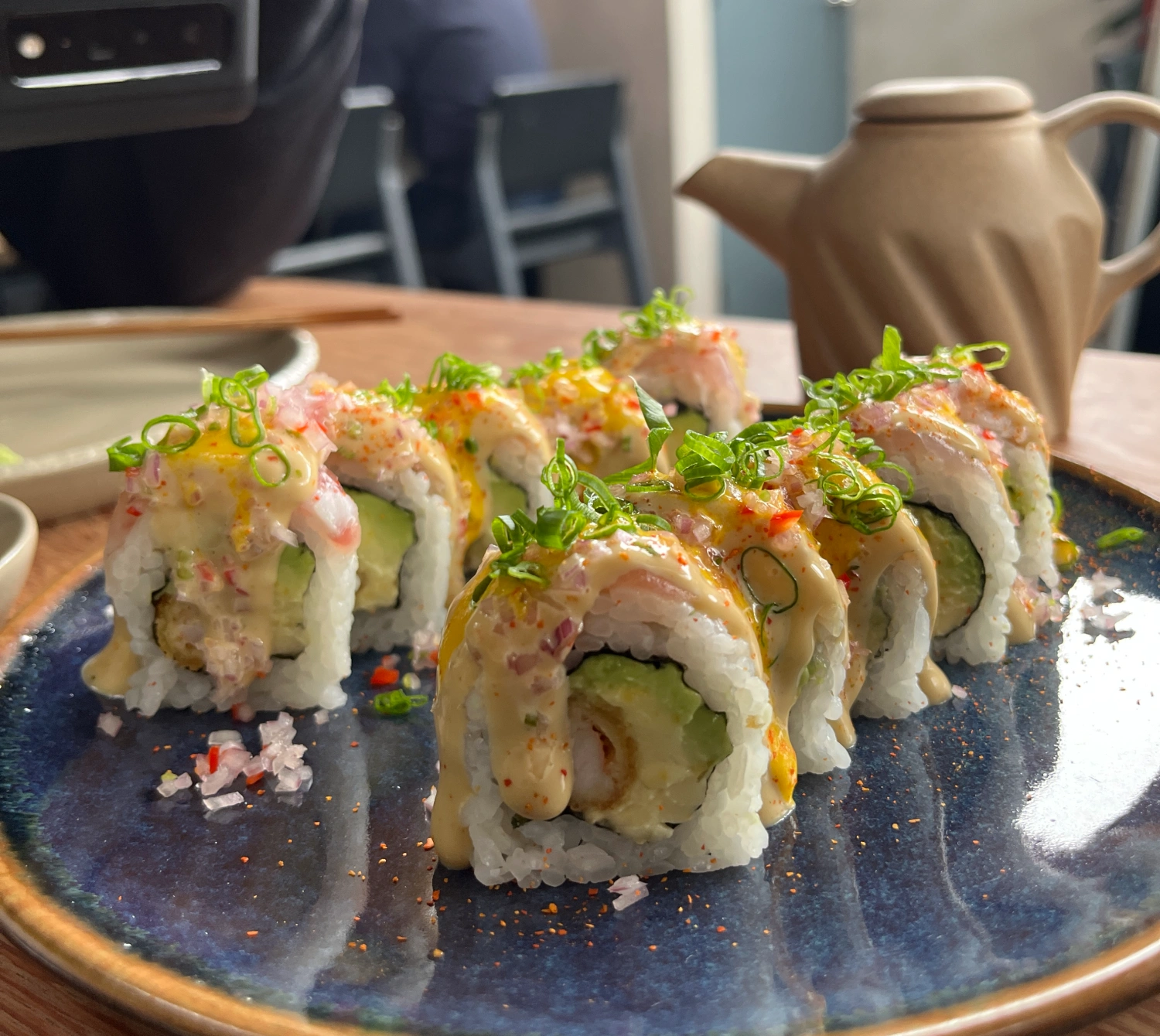
Nikkei is the beautiful Japanese-Peruvian hybrid born when Japanese immigrants arrived in Peru in the late 1800s and early 1900s and started applying their techniques to Peru's abundant seafood. Think sashimi-cut fish dressed in Peruvian ají amarillo, tiraditos that read like Peruvian sashimi, and delicate cures that shortened ceviche's traditional overnight marinade to seconds. Fun fact: it was Japanese chefs who taught Peruvians to cook the fish in citrus for seconds rather than hours, which is why modern ceviche is so bright and tender. Maido, ranked number five in the World's 50 Best Restaurants, is the temple of this cuisine.

What Is Chifa Cuisine?
Chifa is Chinese-Peruvian. When Chinese labourers came to Peru to work on sugar and cotton plantations in the mid-1800s, they brought stir-fry techniques, soy sauce, and ginger, and married them to local beef, potatoes, and rice. The result is dishes like lomo saltado (arguably Peru's most famous stir-fry) and arroz chaufa (Peruvian fried rice). Chifa restaurants are everywhere in Lima, you'll spot the red neon signs on almost every block. It's cheap, filling, and comfort food perfection.

What Is Criollo Cuisine?
Criollo (or comida criolla) is the coastal Spanish-Peruvian mash-up that formed during the colonial era. It's the soul food of Lima: hearty, home-cooked, deeply flavoured with garlic, cumin, and ají amarillo. Dishes like ají de gallina (creamy chicken stew), tacu tacu (leftover beans and rice, pan-fried), and seco de res (beef and coriander stew) all live here. If you want to eat like a limeña grandmother cooks, criollo is where you go.
Food Tours In Lima
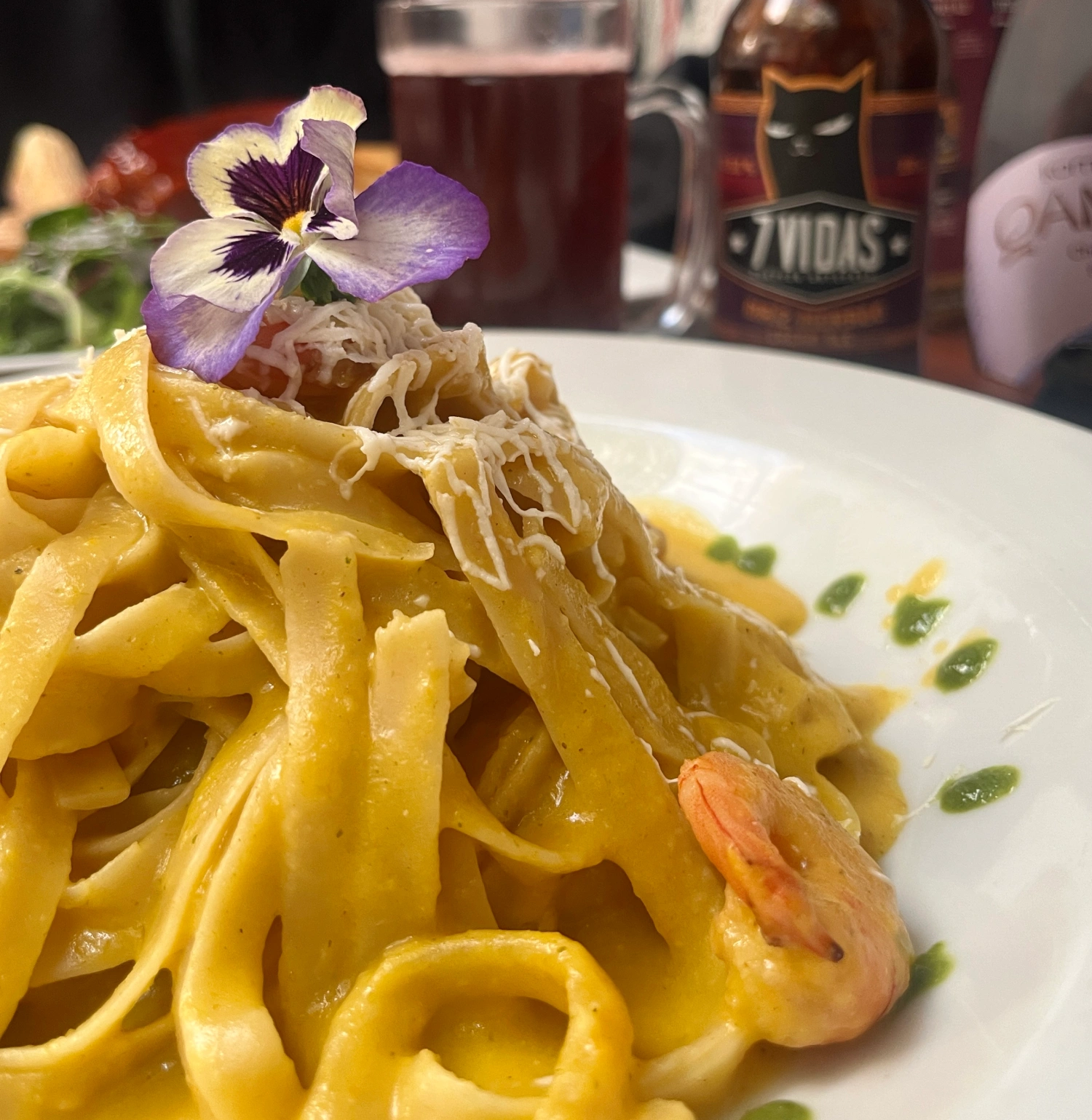
Honestly, if you're only in Lima for a few days, a food tour is the single best decision you can make. A good guide gets you into markets you wouldn't find on your own, translates the menu at street stalls, and pre-books tastings so you're not wasting an hour queuing for something you'll finish in three bites. I've booked most of my food tours through GetYourGuide because the cancellation policy is generous and the reviews are honest.
Here are the tours I'd actually recommend depending on what kind of traveller you are.
🍽️ For first-timers who want a bit of everything: The Ultimate Peruvian Food Tour in Barranco is the one I recommend most. Fourteen tastings, a hands-on ceviche and pisco sour workshop, and a proper walk through Barranco's street art. It's a three-in-one: food, culture, and history.
🥑 For market lovers: The Lima Food Tour through Local Markets & Barranco takes you into Surquillo Market, which is where actual limeños shop. You'll taste fruits you've never heard of and meet vendors who've had their stalls for decades.
🏛️ For history buffs: The Historic Center Street Food Tour starts in the UNESCO-listed Plaza San Martín and covers pan con chicharrón, anticuchos, picarones, and emoliente. All the classics.
🌙 For a night out: The Gourmet Food Tour in Miraflores and Barranco by Night is a bit more upscale. Pisco sours by the Pacific, dinner at a restaurant overlooking pre-Inca ruins at Huaca Pucllana. Great for a date night or a special occasion.
🔥 For serious foodies: The Secret Peruvian Foods Tour in Bohemian Barranco skips the tourist trail entirely. Six tastings, native-fruit gelato, and a chef's off-menu dish. This is my personal favourite.
If you're time-poor and want the shortlist: book the Ultimate Peruvian Food Tour on day one, then let it inform where you eat for the rest of the trip.
For more tours, check out these options
Authentic Peruvian Dishes To Try In Lima
Save this list, screenshot it, put it in your notes app. These are the dishes I ordered obsessively on my Lima trip and the ones you should not leave without trying.

Ceviche
The national dish and the reason many people fly to Lima in the first place. Fresh raw white fish (usually corvina or sole) cured in lime juice for a matter of seconds, tossed with red onion, cilantro, ají limo, and served with sweet potato and choclo (giant Andean corn). It's bright, punchy, and unbelievably fresh. Eat it at lunch, when the fish has just come in. My personal best-ceviche-in-Lima moment was at Canta Rana in Barranco.

Arroz Tapado
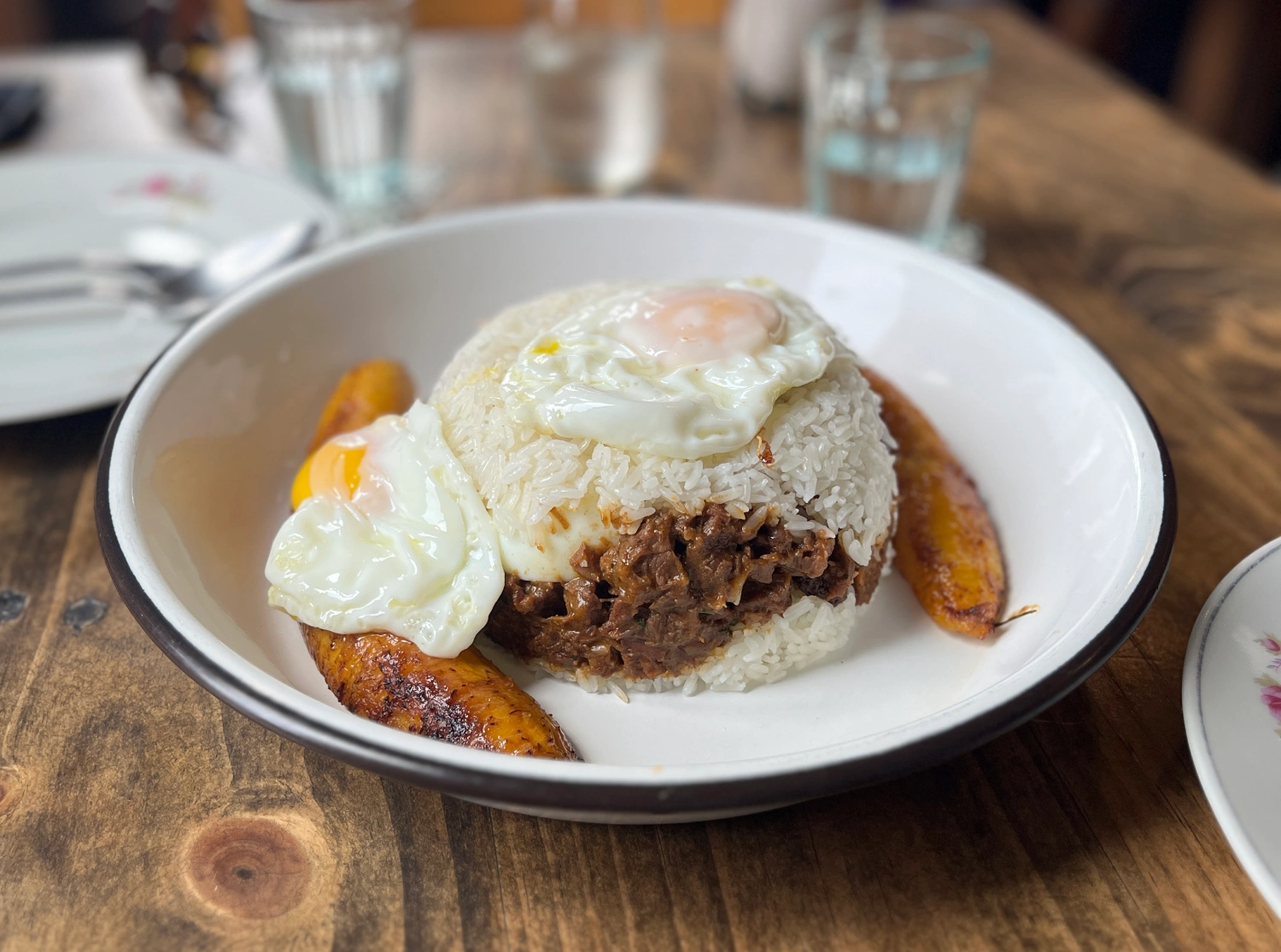
Comfort food at its most theatrical. A dome of white rice conceals a layer of seasoned ground beef, olives, raisins, and hard-boiled egg underneath, often served with fried sweet plantains. Peru's answer to shepherd's pie, sort of, but sunnier.
Sanguches
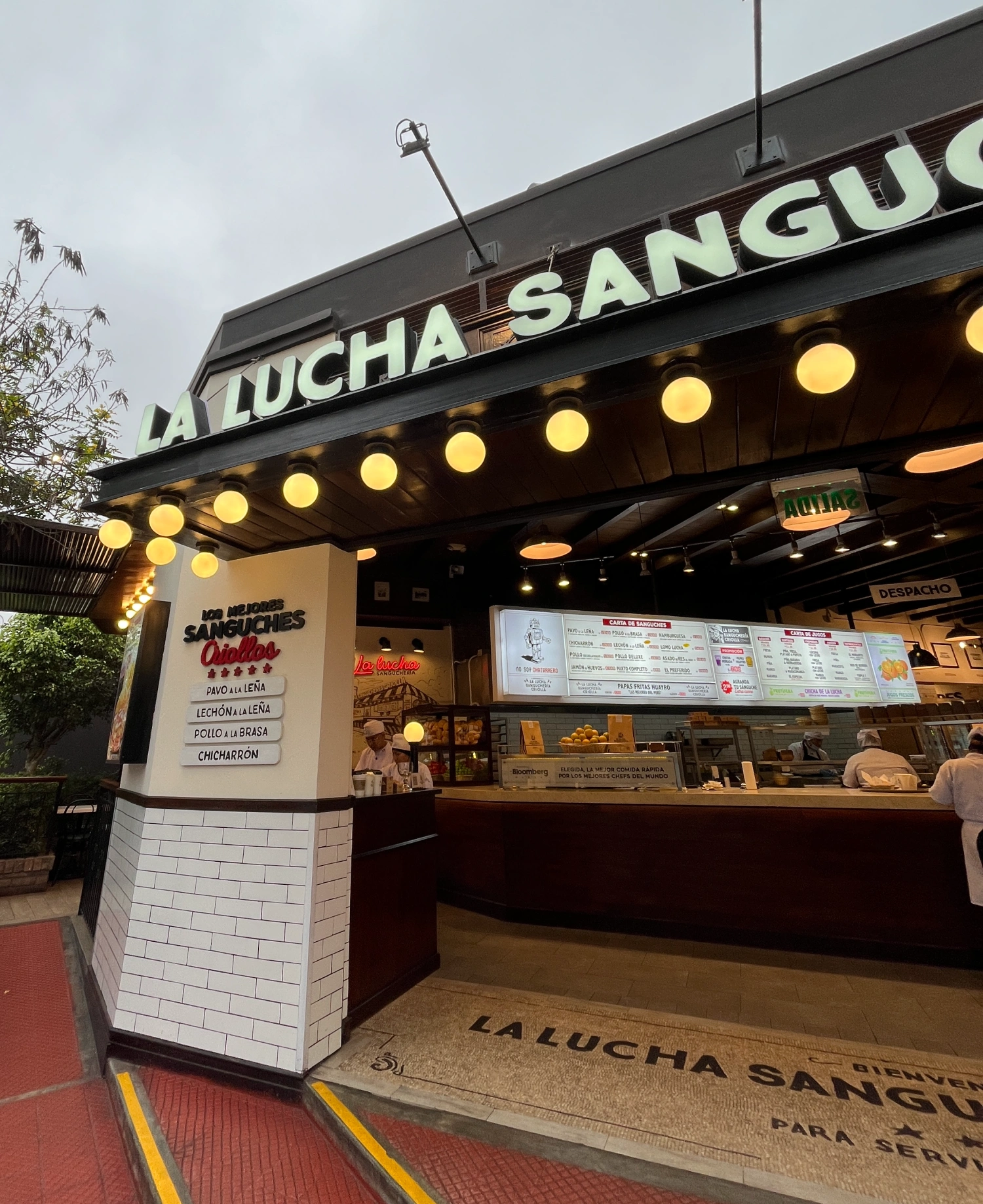
If you're craving fast food, get a sanguch. Peruvian sandwiches are a genre unto themselves. Pan con chicharrón (fried pork with sweet potato and salsa criolla on a crusty bun) is the king. La Lucha does the definitive version, and I ate three of them in five days without shame.
Picarones
Fried sweet potato and pumpkin doughnuts drenched in chancaca syrup (raw cane sugar simmered with orange and cinnamon). Sold from street carts everywhere. Warm, chewy, sticky, and dangerous. Order more than you think you want.
Anticucho
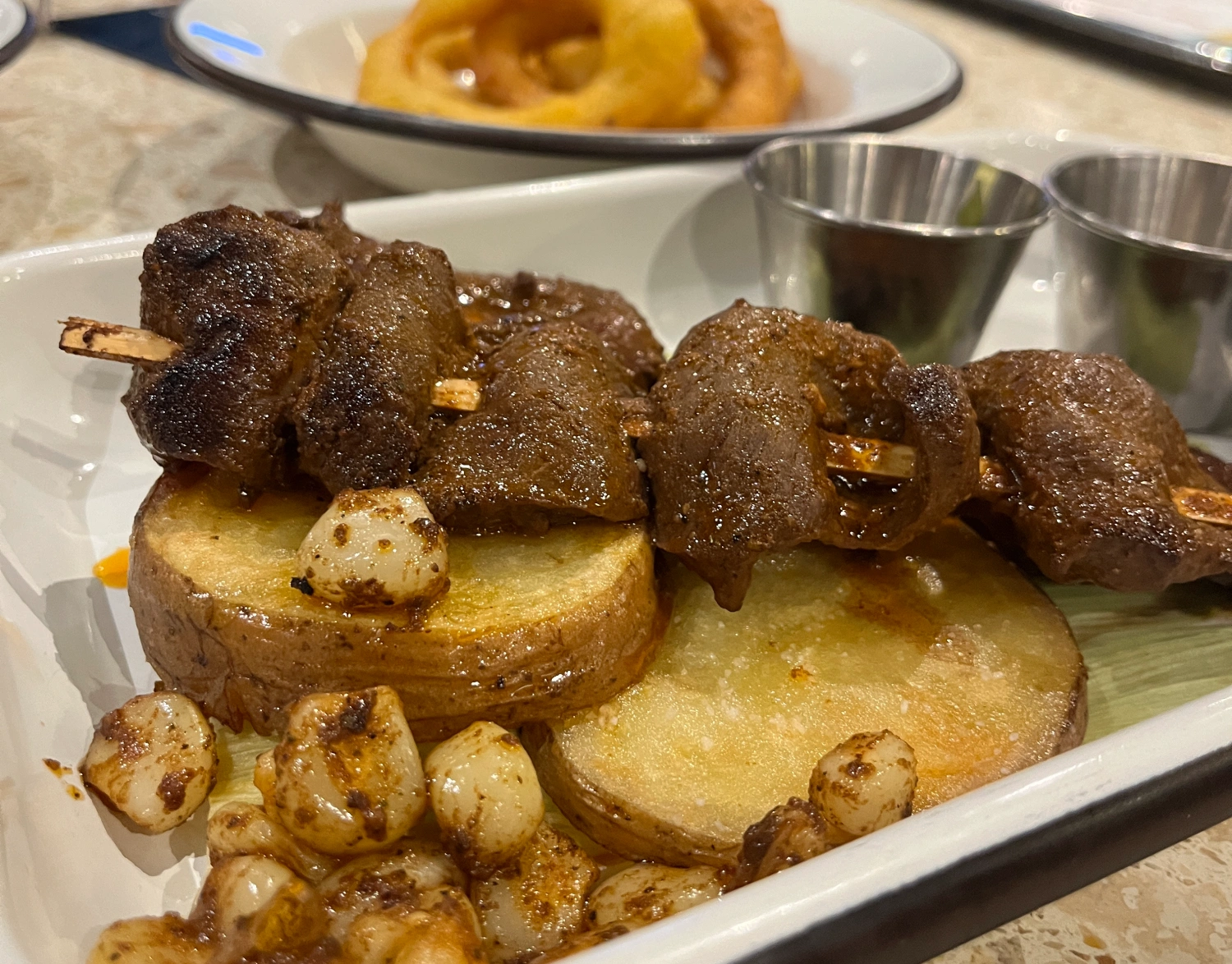
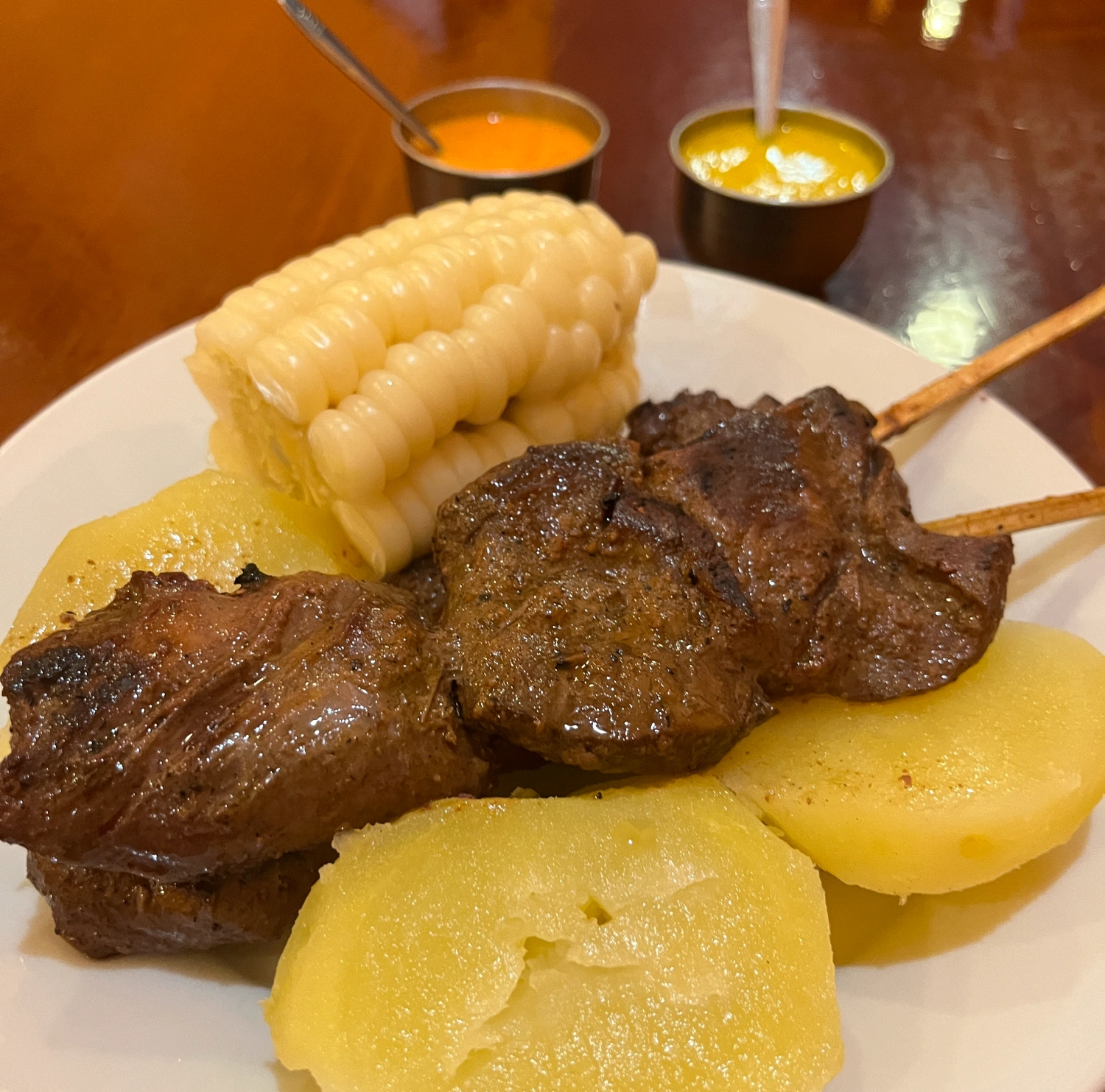
Skewered and grilled beef heart, marinated in ají panca and vinegar, served with boiled potato and a corn cob. If beef heart sounds intense, trust the process. It's smoky, tender, and cheaper than any restaurant meal. Best eaten at a street cart in Barranco after dark.
Lomo Saltado
The chifa classic. Strips of beef stir-fried with red onion, tomato, soy sauce, and vinegar, served over white rice with fries mixed right in. It shouldn't work. It absolutely does. Isolina and Panchita both do incredible versions.

Ají
Not so much a dish as a religion. Ají amarillo, ají limo, ají panca, rocoto: Peru has a chili for every mood. Ají de gallina (the creamy chicken stew) is the one to try if you want to see how these chilies transform into something almost custardy. The green ají sauce that comes with everything is spicy, garlicky, herby, and I would drink it if socially acceptable.
Cuy
Guinea pig. Yes, really. More of a Cusco tradition than a Lima one, but a handful of restaurants in Lima serve it. Roasted whole, skin crispy, tastes like a gamey chicken-rabbit hybrid. If you're the adventurous type, this is a rite of passage. Tbh, I didn't really think this was worth the hype.

Causa
Cold layered mashed potato (dyed yellow with ají amarillo) sandwiched with tuna, chicken, avocado, or seafood. Looks like a pastel terrine, eats like a very sophisticated potato salad. Perfect on a hot day.
Arroz Con Leche
Sweet, cinnamon-spiced rice pudding, usually served with mazamorra morada (purple corn pudding) side by side for the classic combinado. Simple, nostalgic, and the perfect end to a heavy criollo lunch.
Alpaca
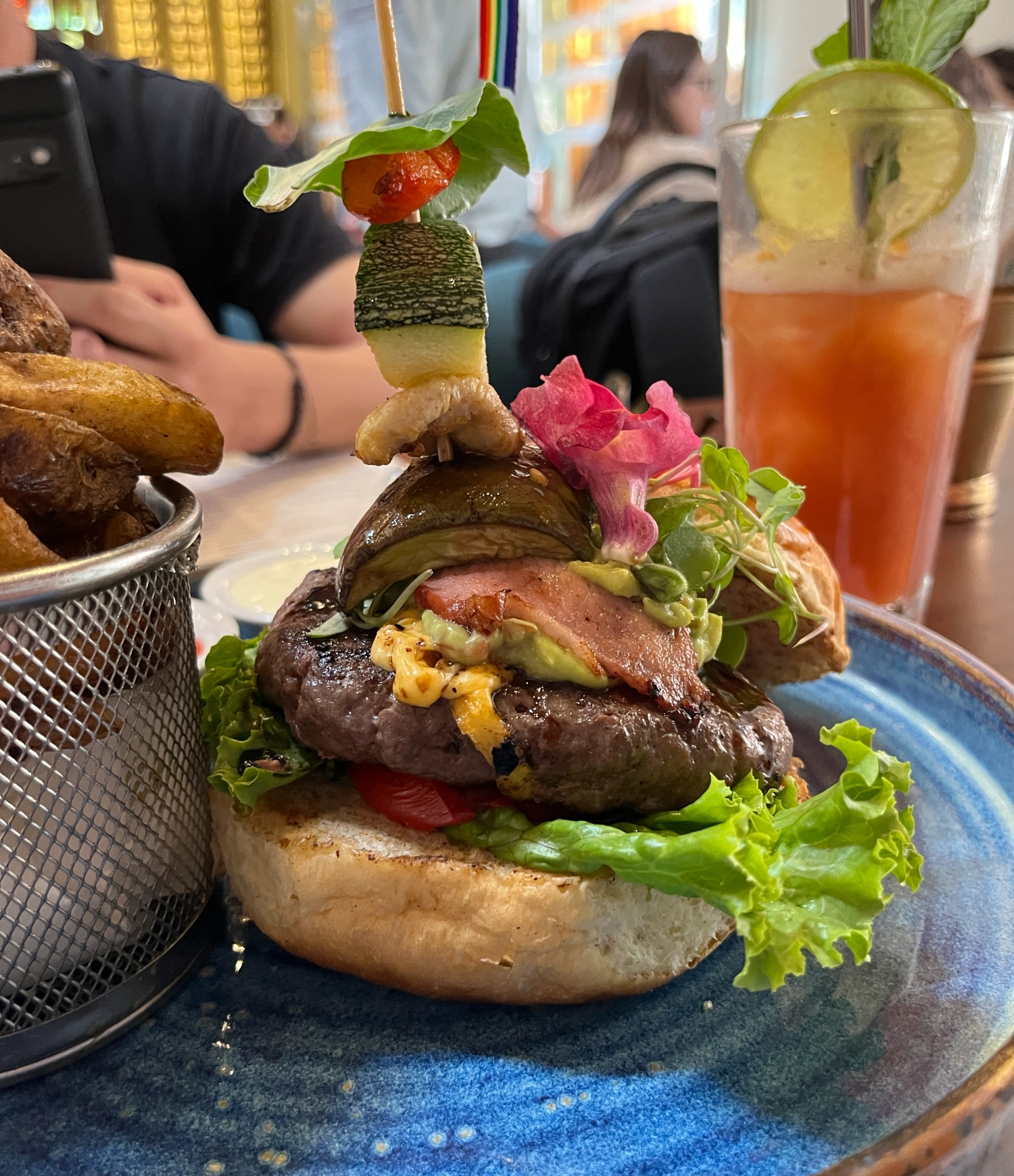
The Andean answer to beef. I tried it as a steak (lean, mineral, more like venison), as a burger (surprisingly juicy), and as a pasta drowning in huancaína sauce (creamy yellow chili and cheese). Alpaca is leaner and higher in protein than beef, and once you've had it, the story of Peruvian cuisine starts making more sense.
Local Drinks To Try In Lima
You can't food-tour Lima without drink-touring it too. Here's what to order.
Pisco Sour
The national cocktail. Pisco (a grape brandy), lime, sugar, egg white, and a dash of angostura bitters. Frothy, tart, deceptively strong. Drink one at Bar Ayahuasca or Antigua Taberna Queirolo for the classic version. Warning: they go down easy. Pace yourself.
Chilcano
Pisco with a ginger-ale-style soda, lime, and bitters. Lighter than a pisco sour and easier to drink through a long lunch. It comes flavoured too, and my personal favourite was the maracuyá (passion fruit) version. If you don't love raw egg whites, chilcano is your new go-to.
Chicha Morada
A purple, non-alcoholic drink made from boiled purple corn, pineapple, cinnamon, cloves, and a squeeze of lime. Every criollo restaurant serves it in a jug and it's the perfect palate cleanser between rich dishes. Also, it stains your teeth for about ten minutes, so maybe not right before a photo.
Inca Kola
Peru's national soda, and yes, it outsells Coca-Cola here. Bright yellow, bubblegum-flavoured, less fizzy and less sweet than Coke. It pairs weirdly well with chifa food. After a week of drinking Inca Kola with lomo saltado, I genuinely don't want to drink Coke again.

Coca Tea
Bitter, grassy tea brewed from coca leaves. It helps with altitude sickness, so it's better tried in Cusco than Lima (Lima's at sea level), but you'll see it on menus here too. Legal in Peru, obviously, and worth the ritual.
Best Restaurants To Visit In Lima
Lima's food scene layers cleanly into three price tiers. Book the high-end ones early. Like, months early.
High End
For the World's 50 Best experience, these are the tables to fight for.
Central. Chef Virgilio Martínez's tasting-menu odyssey through Peru's ecosystems, from ocean floor to Andes summit. Nearly 20 courses, each tied to a specific altitude and a specific native ingredient. It has held the number one spot on the World's 50 Best list. Book six months out, no exaggeration. In Barranco.
Maido. Mitsuharu Tsumura's nikkei masterclass and ranked number five in the World's 50 Best 2024. The 50-hour short rib is unforgettable. The tasting menu rewires how you think about fusion cuisine. In Miraflores.
Mérito. More accessible than Central or Maido but no less inventive. Chef Juan Luis Martínez's Venezuelan-Peruvian tasting menu in a tiny Barranco space. Book two to three months ahead.

Tomo. Nikkei done at a slightly gentler price point than Maido. Beautifully composed. The tuna tartare with ají amarillo is a highlight. In San Isidro.
Mid Budget
The everyday spots where locals actually eat. These are my most-recommended.
Isolina. Old-school criollo in a beautiful Barranco townhouse. The tacu tacu con lomo is enormous and life-changing. Come hungry, come with friends, share everything. No reservations, come early.
Panchita. Gastón Acurio's tribute to Peruvian street food, plated properly. Anticuchos, tamales, seco. Excellent for a first taste of criollo cuisine. In Miraflores.
Canta Rana. The Barranco ceviche institution. Bohemian, walls covered in football jerseys, ceviche that consistently beats fancier places. This is where I had the best ceviche of my entire trip.
Street Eats
Cheap, cheerful, and where you'll get the most flavour per dollar.
La Lucha Sanguchería. The definitive pan con chicharrón. There's usually a queue, it's worth it. Multiple locations across Miraflores.
La Monstrosa. Massive, monstrous sandwiches in Miraflores that require both hands and no shame. Chicharrón, chorizo, lomo, all obscenely good.
El Tío Mario. Barranco's picarones king. Fried fresh, drenched in chancaca, eat them standing up with sticky fingers. Cash only.
Frequently Asked Questions About Peruvian Cuisine And Food In Lima
Is street food in Lima safe to eat?
Mostly, yes. Stick to stalls with high turnover, food cooked to order in front of you, and long queues of locals. Avoid raw salads and uncooked meats from carts. Ceviche is best eaten at proper restaurants where you can trust the fish provenance.
Is Lima vegetarian-friendly?
More than you'd think. Peruvian cuisine has a strong vegetarian base thanks to its potato and quinoa heritage. Papa a la huancaína, causa (ask for veggie fillings), tacu tacu, arroz chaufa (vegetarian versions), and plenty of quinoa dishes. Vegan is trickier but doable, especially in Miraflores and Barranco.
How much does food cost in Lima?
A menú del día lunch (starter, main, drink) at a local spot: 15 to 25 soles ($4 to $7). A mid-range dinner: 60 to 120 soles ($16 to $32). A tasting menu at Central or Maido: 900 to 1,300 soles ($240 to $350) before wine pairing.
Do I need a reservation at Central or Maido?
Yes, and book far in advance. Central releases reservations three months out and they vanish within hours. Maido is slightly easier but still expect two to three months of lead time. Both take online bookings only.
What's the best neighbourhood to stay in for food?
Miraflores if you want convenience and safety, with plenty of restaurants and cafés within walking distance. Barranco if you want atmosphere, street art, and to feel like a local. San Isidro if you're on a business trip and want fine dining nearby. I usually stay in Barranco.
What should I avoid?
Chain restaurants (skip them, Lima's independents are better), raw seafood from street stalls, and tap water. Stick to bottled and you'll be fine.
And That's A Wrap!
Lima was one of the most delicious cities I've ever travelled to, full stop. It's the rare place where the food isn't just fuel between sights, it is the sight. I flew in for four days and stayed for nine. I ate at Isolina three times. I still dream about that first bite of tiradito at a spot in Barranco I now cannot find on Google Maps.
If you take one thing from this guide, let it be this: don't just book Central and call it a day. Lima's soul lives in its markets, its street carts, its criollo aunties ladling out ají de gallina at lunchtime. Eat everything. Come hungry. Bring stretchier trousers than you think you'll need.
Happy travelling, and if you find a ceviche better than Canta Rana's, please tell me. I need to know.


